
English

すし検定

Japan Sushi Association
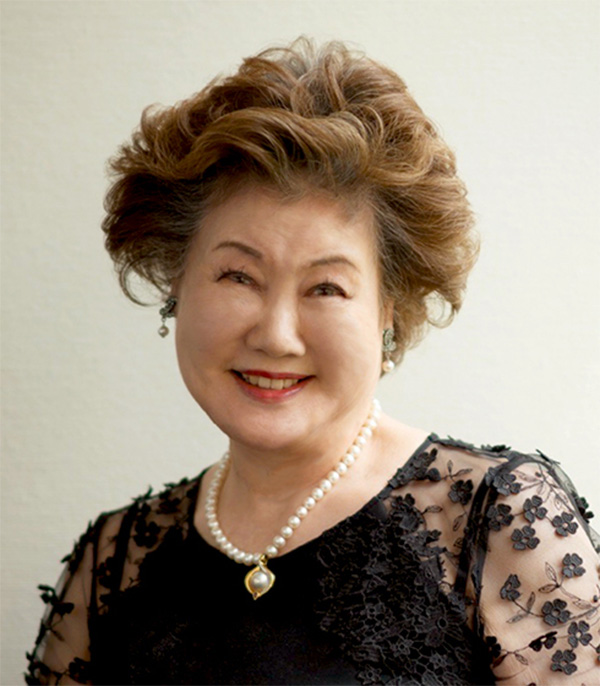
Representative Director: Yasuko Ikenobo

A five-term member of the House of Representatives, she served as Chair of the House Committee on Education, Culture, Sports, Science and Technology and as State Minister of Education, Culture, Sports, Science and Technology, among other public roles.
Message from the Representative Director

Both publicly and privately, I have long devoted myself to preserving Japanese culture and tradition.
Publicly as State Minister of Education, Culture, Sports, Science and Technology, and privately as the wife of the head of Japan’s oldest school of flower arrangement, I have been involved with Japanese culture.
With washoku’s recognition as a World Heritage, its popularity worldwide has accelerated further.
At the same time, more restaurants serve raw fish by imitation without hygiene knowledge, and food poisoning is in fact increasing around the world.
If this is left unchecked, I fear that — just as serving raw beef (yukhoe) was banned in Japan — some countries may eventually ban eating raw fish.
To protect and further develop this tradition, made possible by the wisdom and effort of our predecessors in an age before refrigeration, I intend to do my humble best.
Yasuko Ikenobo

Japan Sushi Association
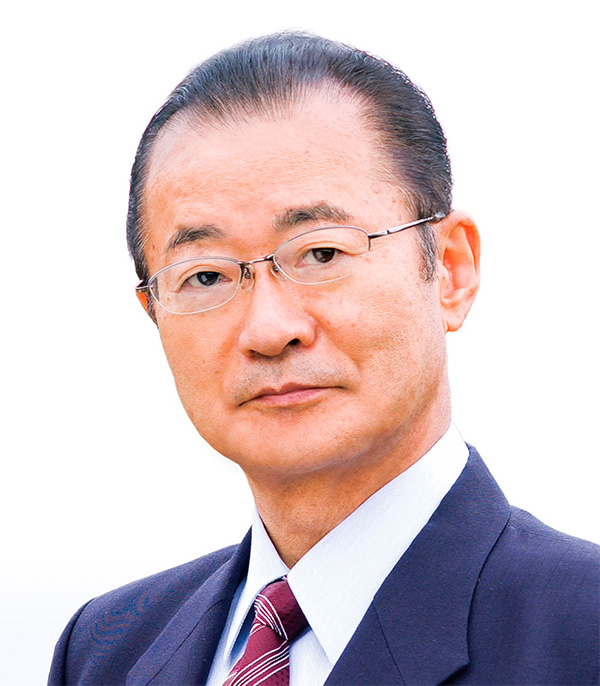
Director: Takeo Kawamura

A ten-term member of the House of Representatives, he served as Chief Cabinet Secretary and as Minister of Education, Culture, Sports, Science and Technology, among other senior government posts.
Message

Sushi has long been called a “complete food.”
Strictly speaking, the balance of macronutrients — protein, fat and carbohydrate — is nearly perfect, and it is also rich in micronutrients such as minerals and vitamins.
Washoku, including sushi, was inscribed on UNESCO’s Intangible Cultural Heritage list in 2013.
It was recognized because it uses nature’s bounty with ingenuity in cooking and preservation, is nutritionally balanced, and richly reflects seasonal ingredients and decoration.
Even seen from abroad, the very face of washoku is sushi.
As the representative of this world-recognized intangible cultural heritage, “sushi” must be preserved by all Japanese.
Sushi will surely continue to be loved worldwide as the times change.
As a sushi lover myself, and in the spirit of a “sushi culture ambassador,” I will keep striving for the development of the sushi industry.
Takeo Kawamura

Japan Sushi Association
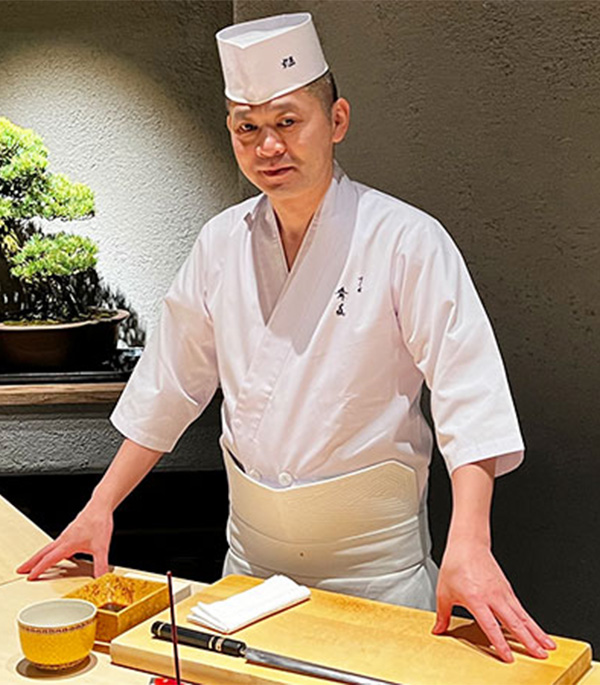
Director: Toshio Saito

Owner and head chef of “Sushi-sho Saito.” After high school he became a sushi chef, moved to New York at 25, worked at famed restaurants such as “Bond St.,” and returned to Japan in 2001. He trained under the master Keiji Nakazawa at “Sushi-sho” in Yotsuya, opened “Sushi-sho Saito” in 2006, and “Sushi-sho Saito Hanare” in 2022 — both famously hard to book, filling up as soon as reservations open three months ahead.
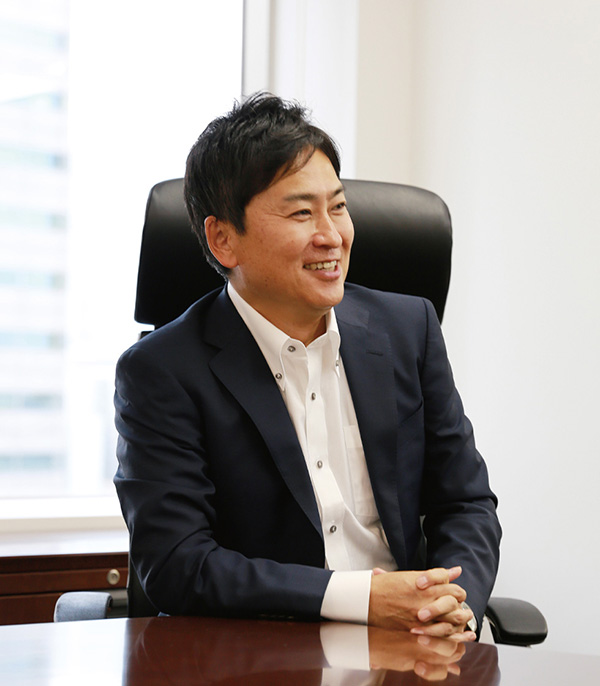
Message

Sushi is a wonderful culture that Japan can proudly share with the world.
Thanks to our predecessors, delicious sushi was born and we are able to run sushi restaurants.
Never forgetting my gratitude to them, I hope to be of some help in protecting this delicious sushi culture and bringing sushi to more people.
Toshio Saito

Japan Sushi Association
Director: Masaki Inayoshi

President of NOVA Holdings Co., Ltd. He runs NOVA, the No. 1 English-conversation brand, and “Gaba,” the industry’s No. 3 school, as well as the “ITTO” cram-school chain (No. 2 in Japan by number of campuses) and the major study-abroad agency “Last Resort.” He also operates sports businesses including the B.League professional basketball club “Hiroshima Dragonflies.”

Message

After leaving the civil service, I was involved in the education industry for a long time.
Through that experience I believe I have come to understand, in my own way, its importance and its difficulty.
I hope to put that experience to use, however modestly, in maintaining and developing sushi — a traditional Japanese culture.
Masaki Inayoshi